


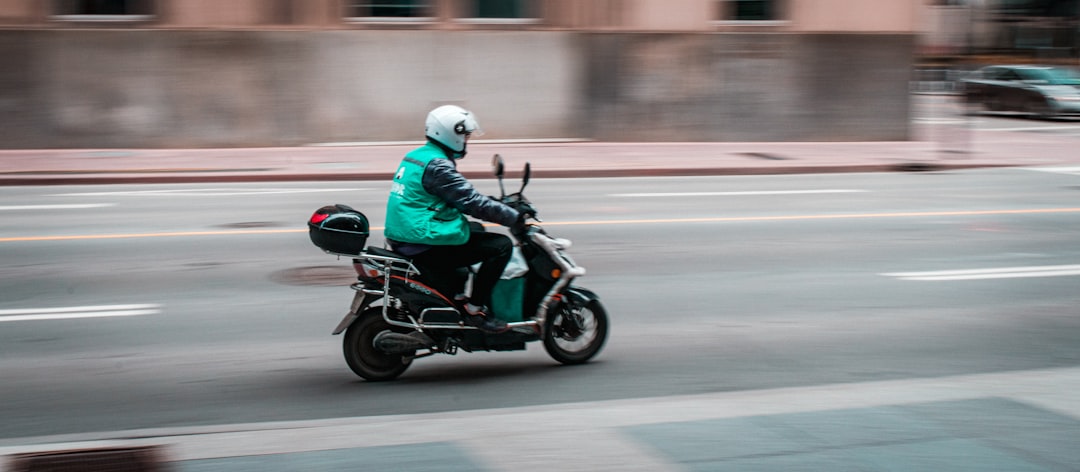
Self-balancing scooters can look like a fun, modern way to get around, but seniors should weigh convenience against safety, comfort, and real-life daily needs. In many senior living communities, residents may see neighbors using small mobility devices for short trips to dining rooms, activity centers, or nearby shops, which can make a self-balancing scooter feel like a practical option. Still, seniors benefit most when the choice is based on stability, confidence, and the ability to use the device consistently without increasing fall risk.
Understanding What a Self-Balancing Scooter Can and Cannot Do
A self-balancing scooter is typically designed for smooth, short-distance travel on flat surfaces, and it usually requires the rider to balance while standing. That standing requirement is the first major consideration for seniors, especially those with joint pain, neuropathy, vertigo, slower reaction time, or limited ankle strength.
While these scooters can help reduce walking fatigue in certain settings, they are not the same as mobility scooters that offer a seat, larger wheels, and a more stable base. Seniors should also remember that self-balancing models can feel sensitive to small shifts in body position, which may be manageable for confident riders but stressful for anyone who needs extra support.
Safety First: Balance, Falls, and Everyday Obstacles
For seniors, the biggest risk is not the speed of the scooter, but the possibility of losing balance during mounting, stopping, turning, or riding over uneven ground. Cracks in sidewalks, wet tile, small ramps, or cluttered hallways can become serious hazards when a device requires constant balance. Seniors should also consider how the scooter handles sudden stops, tight corners, and crowded environments where pedestrians may step into the path unexpectedly.
Protective gear can help, but prevention matters more than recovery. Seniors who are curious about trying a self-balancing scooter may benefit from practicing in a controlled environment, using a spotter, and avoiding public areas until confident, steady control is demonstrated.
Matching the Scooter to Senior Needs: Comfort, Strength, and Stamina
Even if a senior can balance well, comfort and endurance still matter. Standing for extended periods may aggravate lower back pain, knee arthritis, or circulation issues. Some seniors may also find that gripping or carrying the scooter—such as lifting it into a car, storing it at home, or maneuvering it up a step—requires more strength than expected.
Battery range, charging routine, and weight limits should fit daily life, not just a quick test ride. Seniors who want reliable, low-stress mobility may find that a seated mobility scooter, a rollator, or an e-bike-style device with a stable frame better supports long-term comfort and independence.
Smart Steps Before Buying: Training, Rules, and Alternatives
Before purchasing, seniors should consider a trial period, professional guidance, and any local rules about where these devices can be used. Some buildings, sidewalks, and public spaces may restrict certain devices for safety reasons, and indoor use may be limited by space, flooring, or traffic flow.
Seniors can also speak with a physical therapist or healthcare provider to assess balance, reaction time, and fall risk, especially if there is a history of dizziness or recent falls. If the main goal is daily mobility, seniors may want to compare options side by side: seated scooters, lightweight walkers, canes with better grip, or even supportive footwear and strength exercises that make walking easier.
Conclusion
A self-balancing scooter may work for some seniors who have strong balance, good coordination, and a consistent environment with smooth surfaces, but it is not the best match for every senior lifestyle. Seniors can make the safest decision by focusing on stability, comfort, and realistic daily conditions rather than novelty or speed.
When safety risks feel uncertain, seniors may be better served by mobility devices designed for seated support and steady control, helping protect independence without increasing the chance of a fall.
